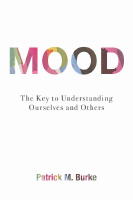
Inrikes enhetsfrakt Sverige: 62 SEK

Förlagsfakta
- ISBN
- 9781616148331
- Titel
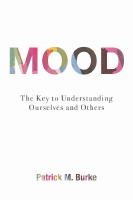
- Mood
- Författare
- Burke, Patrick M.
- Förlag
- Random House USA
- Utgivningsår
- 2013
- Omfång
- 253 sidor
- Bandtyp
- Häftad
- Mått
- 137 x 213 mm Ryggbredd 13 mm
- Vikt
- 286 g
- Språk
- English
- Baksidestext
- A reader-friendly yet in-depth overview of the latest research on mood as the way we are tuned to the world.
This book examines the central role that mood plays in determining our outlook on life and our ability to cope with its challenges. The central theme is that mood determines how we are tuned to the world. Tuning emerges over the course of our earliest development as environmental and genetic influences form the neural circuits and set how they function across the lifespan in daily life and under conditions of stress. How each person is tuned becomes the basis for resilience or vulnerability to events. Some will take events in stride; others may become angry, anxious, or sad.
A child psychiatrist with decades of clinical experience treating patients, the author stresses that relationships play a central role in shaping our mood. Security or insecurity, loss or the fear of loss of key relationships, especially in childhood, can have telling effects on the way we view the world.
A chapter is devoted to each of the disorders where mood is a central issue: depression, anxiety, bipolar disorder, and antisocial disruptive disorders. The author then discusses the various "talking therapies" and the main classes of medication often administered to treat emotional disturbances. Burke concludes by summarizing the latest research on preventing mood disorders and discussing the impact that illness can have on emotional well-being and the role of mood in resilience and recovery.
9781616148331