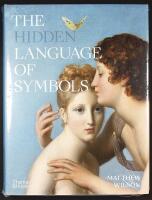

THE HIDDEN LANGUAGE OF SYMBOLS
Inbunden bok. –– FÖRLAGSNY! –– Thames & Hudson. 2022. 272 sidor.
Nyskick. Skyddsomslag i nyskick.
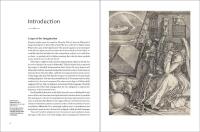
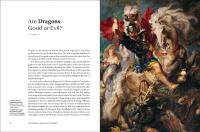
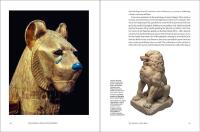
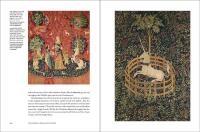
–– FÖRLAGSNY, med skyddsplast! –– Se fler bilder, lånade från nätet eftersom jag inte ville bryta plastförseglingen! ––
A stimulating narrative and reference resource that guides the reader through the most significant symbols from worldwide art history.
• Why do we reach for the red rose on Valentine’s day? Where did the owl gain its reputation for wisdom? Why should you never trust a fox? In this visual tour through art history, Matthew Wilson pieces together a global visual language enshrined in art: the language of symbols.
• Symbols exert a strong hold in the image-saturated 21st century, and have done so for thousands of years. From national emblems to corporate logos and emojis, our day-to-day lives abound with icons with roots in the distant past. Expert art historian Matthew Wilson traces the often surprising trajectories that symbols have taken through history, from their original purposes to their modern meanings, identifying the common themes and ideas that link seemingly disparate cultures. Thus we meet the falcon as a symbol of authority from the ancient Egyptian pharaohs to the medieval aristocracy; the dog as stalwart companion from the classical era to the Renaissance; and the mythical phoenix as a symbol of female power connecting a queen in England with a goddess in China. We also see moments of radical reinterpretation and change: the transformation of the swastika from an auspicious symbol of hope to one of hate.
• From Palaeolithic cave paintings to contemporary installations, Wilson deftly guides us through this world of symbols, showcasing their enduring ability to express power, hope, fear and faith, and to create and communicate identities, uniting – or dividing – the people that made them.
"Revealing what you can't always see. – If you want to understand art iconography (the author prefers 'symbols') this is the book to read. In just four chapters: power; faith; uncertainty; hope, each of which has twelve themes, Matthew Wilson reveals the meaning behind a piece of art that is there for all to see but to appreciate it properly requires some background awareness.
Erwin Panofsky was the art historian who inspired Wilson to analyse art and discover the various themes that artists used in their work. One of the attractions of the book for me was the very wide range of art considered. The essay on Lotus has a photo of the 'Shivaas the Lord of Dance' statue from centuries ago, the Mirrors essay has John William Waterhouse's 'The Lady of Shalott', 1894 painting, and more or less up to date Picasso's 'Guernica', a painting surely loaded with symbols in the Raging Bulls essay.
Each of the forty-eight themes is written as an illustrated self-contained essay and Wilson writes in an easy conversation style with some delightful humorous touches, …"
–– GLÖM INTE ATT TITTA PÅ ALLA MINA ANDRA BÖCKER! –– Samma fraktpris oavsett hur många böcker du beställer! (Gäller inom Sverige)

Förlagsfakta
- ISBN
- 9780500025291
- Titel
- The Hidden Language of Symbols
- Författare
- Wilson, Matthew
- Förlag
- Thames & Hudson Ltd.
- Utgivningsår
- 2022
- Omfång
- 272 sidor
- Bandtyp
- Inbunden
- Mått
- 186 x 246 mm Ryggbredd 29 mm
- Vikt
- 1220 g
- Språk
- English
- Baksidestext
- A stimulating narrative and reference resource that guides the reader through the most significant symbols from worldwide art history.
The Hidden Language of Symbols covers a wide-ranging selection of visual culture under one unified theme: symbols. Often not immediately apparent, our day-to-day lives abound with symbols of various kinds from national emblems to emojis, allegories to logos, all of which exert a strong hold in the image-saturated, globalized world of the 21st century and have a fascinating story.
Organized across four all-encompassing themes - power, faith, hope and uncertainty - this stimulating illustrated account of forty-eight key symbols from global art history is aimed at gallery-goers, armchair art sleuths or anyone who wants to understand the history of their visual environment from an unusual and creative angle. Drawing on examples from the imaginary, natural, physical and religious worlds; from dragons to eagles, butterflies to labyrinths and rainbows to wheels; author and art historian Matthew Wilson discusses the different types of symbols from their creation, their development and why they evolved, to the various ways they have been interpreted. He also explains in what way symbols are markers of identity that have the power to unite and divide societies and looks at how they have shaped the world beyond the gallery, revealing their impact on the appearance of our cities, the language of advertising and blockbuster films and even the design of corporate logos.


![SAGE Companion to the City [Elektronisk resurs]](https://dez1v4fbcawql.cloudfront.net/metadata_thumb/978/141/290/9781412902076.jpg)